Understanding Sugar Beet Vs Sugar Cane: a Deep Dive Into Their Handling and Applications
The contrast in between sugar beet and sugar cane reveals essential distinctions in their handling and use. Each crop has one-of-a-kind farming approaches that influence its geographic distribution. Sugar beets are mostly refined into granulated sugar for numerous food items, while sugar cane is typically utilized in drinks. Recognizing these distinctions clarifies their roles in the food industry and their financial importance. Yet, the broader implications of their cultivation and processing require additional exploration.
Summary of Sugar Beet and Sugar Cane
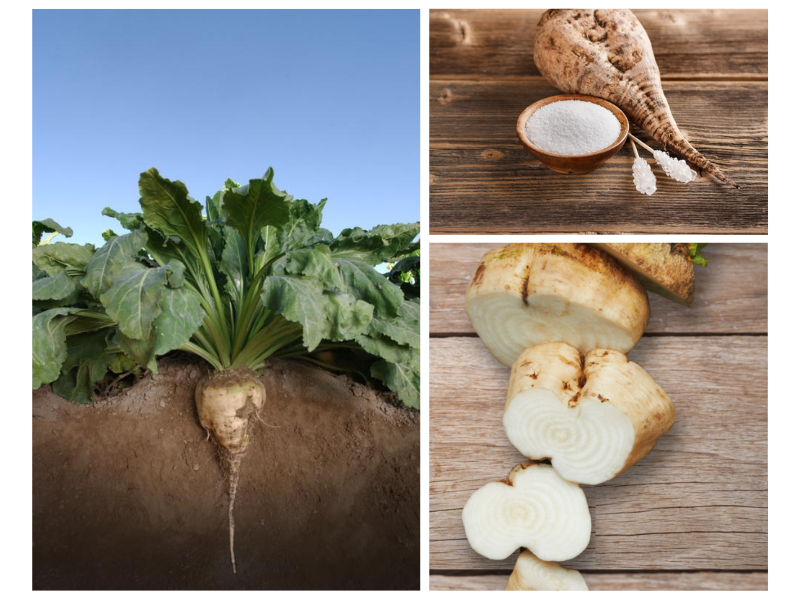
Sugar beet and sugar cane are two primary sources of sucrose, each adding substantially to the worldwide sugar supply. Sugar beet is an origin vegetable, usually gathered in cooler climates, while sugar cane is a tall turf that thrives in warmer tropical and subtropical areas. The handling of sugar beet includes washing, slicing, and removing juice, adhered to by filtration and condensation. On the other hand, sugar cane processing consists of squashing the stalks to extract juice, which is then clarified and focused into sugar crystals.
Both crops are abundant in sucrose, however their composition varies a little, with sugar cane normally having a greater sugar web content. Each source additionally plays a duty in biofuel production, with sugar beet commonly used for ethanol. While both are important for numerous applications, their unique growth requirements and handling methods affect their particular contributions to the sugar market.
Geographical Distribution and Growing Conditions
Sugar beet and sugar cane are cultivated in distinct geographical regions, affected by their particular environment and soil needs. Sugar cane prospers in tropical environments, while sugar beet is much better fit for temperate areas with cooler temperatures. Recognizing these cultivation problems is vital for optimizing production and guaranteeing high quality in both plants.
Worldwide Expanding Regions
While both sugar beet and sugar cane are crucial sources of sugar, their international growing regions vary significantly due to environment and soil demands. Sugar beet thrives primarily in pleasant regions, with considerable manufacturing concentrated in Europe, North America, and components of Asia. These areas normally feature well-drained, productive dirts that support the plant's development cycle. In contrast, sugar cane is mainly cultivated in tropical and subtropical areas, with significant manufacturing hubs located in Brazil, India, China, and Thailand. This plant embellishments in cozy, humid atmospheres that promote its development. The geographical circulation of these two crops highlights the flexibility of sugar cane to warmer environments, while sugar beet remains reliant on cooler, warm problems for peak development.
Environment Needs
The climate requirements for sugar beet and sugar cane differ substantially, reflecting their adaptation to unique ecological problems. Sugar beet thrives in temperate climates, needing trendy to moderate temperatures, preferably ranging from 15 ° C to 20 ° C. It is delicate to frost and gain from well-distributed rains during its expanding season. This crop is commonly cultivated in regions such as Europe and The United States And Canada.
Conversely, sugar cane flourishes in tropical and subtropical climates, favoring warmer temperatures between 20 ° C and 30 ° C - Sugar beet vs sugar cane. It requires plentiful sunshine and constant rainfall, making it fit to areas like Brazil, India, and Southeast Asia. The contrasting climate choices of these plants noticeably influence their geographic circulation and farming methods
Soil Preferences
Although both sugar beet and sugar cane need certain soil conditions to thrive, their choices vary substantially. Sugar beets prosper in well-drained, fertile soils rich in natural matter, with a pH ranging from 6.0 to 7.5. These problems are generally found in temperate areas, especially in Europe and The United States And Canada. On the other hand, sugar cane likes deep, fertile soils with excellent water drainage and a somewhat acidic to neutral pH (6.0 to 7.0) This crop is generally cultivated in tropical and subtropical environments, such as Brazil, India, and Australia. The geographic circulation of these crops mirrors their dirt preferences, as sugar beetroots are suited for cooler environments, while sugar cane flourishes in warmer, more damp environments.
Collecting and Processing Techniques
In analyzing the harvesting and handling techniques for sugar beet and sugar cane, distinctive techniques arise for each plant. The comparison of collecting methods exposes variations in effectiveness and labor requirements, while removal techniques highlight distinctions in the initial handling stages. Furthermore, understanding the refining procedures is necessary for evaluating the high quality and return of sugar created from these two resources.
Gathering Approaches Comparison
When taking into consideration the harvesting techniques for sugar beet and sugar cane, distinctive techniques emerge that mirror the unique attributes of each plant. Sugar beet gathering normally entails mechanical methods, using specialized farmers that root out the beets from the ground, eliminating tops and dirt while doing so. This strategy enables efficient collection and lessens plant damages. In contrast, sugar cane harvesting can be either manual or mechanical. Hands-on harvesting entails employees reducing the stalks short, while mechanical harvesting utilizes large makers that reduced, cut, and collect the cane in one operation. These differences in collecting approaches highlight the flexibility of each plant to its expanding setting and the agricultural practices prevalent in their corresponding areas.
Removal Methods Introduction
Removal strategies for sugar manufacturing differ substantially in between sugar beet and sugar cane, reflecting their unique attributes and handling demands. Sugar beets are normally gathered utilizing mechanical harvesters that cut the roots from the ground, followed by washing to get rid of soil. The beetroots are then cut into slices, known as cossettes, to help with the extraction of sugar through diffusion or warm water removal. In comparison, sugar cane is normally gathered by hand or device, with the stalks cut short. After collecting, sugar cane goes through squashing to draw out juice, which is then clarified and focused. These extraction methods highlight the distinctive techniques used based on the resource plant's physical qualities and the desired efficiency of sugar removal.
Refining Processes Explained
Refining procedures for sugar from both sugar beet and sugar cane include several crucial actions that guarantee the end product is pure and ideal for usage. The raw juice drawn out from either source undertakes information, where contaminations are eliminated using lime and warm. Following this, the juice is evaporated to concentrate the sugars. For sugar beetroots, the process often consists of carbonatation, while sugar cane might go through a more simple crystallization approach. Once focused, the anchor syrup goes through formation, generating raw sugar. Finally, the raw sugar is detoxified with centrifugation and more refining, resulting in the white granulated sugar generally discovered on shop shelves. Each step is important in making sure item high quality and safety for consumers.
Nutritional Profiles and Wellness Impacts

Health and wellness influences related to both resources greatly originate from their high sugar web content. Excessive consumption of sucrose from either resource can lead to weight gain, dental issues, and increased threat of persistent conditions such as diabetic issues and heart disease. Sugar cane juice, frequently consumed in its natural kind, might supply extra antioxidants and phytonutrients compared to polished sugar beet items. Eventually, moderation is type in utilizing both sugar beet and sugar cane in diet regimens to minimize prospective health and wellness risks.
Economic Importance and International Manufacturing
The economic importance of sugar beet and sugar cane is substantial, given that both look at this web-site plants play vital roles in the international farming landscape. Sugar cane, primarily grown in tropical and subtropical areas, represent roughly 75% of the globe's sugar production. Countries like Brazil and India are leading manufacturers, contributing considerably to their nationwide economic climates through exports and neighborhood usage.
The global sugar market is valued at billions of bucks, influenced by different factors including climate, profession plans, and consumer need. Appropriately, both sugar beet and sugar cane are crucial for financial stability and growth within the farming industry worldwide.
Applications in the Food Sector
In the food market, sugar beet and sugar cane offer vital duties, supplying sugar that are essential to a vast range of items. Both resources yield granulated sugar, which is a main ingredient in baked items, beverages, and confections. Sugar beet, frequently favored in regions with chillier environments, is frequently located in processed foods such as jams, jellies, and dairy items. Sugar cane is favored in tropical regions and is often made use of in beverages like rum and soft drinks.
Beyond granulated sugar, both sources are likewise refined right into molasses, syrups, and other sweeteners, improving flavor accounts and boosting appearance in various applications. Additionally, the spin-offs of sugar manufacturing, such as pulp and bagasse, are utilized in producing animal feed and biofuels, additionally demonstrating their versatility. Generally, sugar beet and sugar cane are necessary parts of the food market, influencing preference, appearance, and overall item high quality.
Ecological Considerations and Sustainability
As concerns about climate change and source depletion grow, the environmental impact of sugar beet and sugar cane cultivation has come under scrutiny. Sugar cane, frequently grown in tropical regions, can lead to logging and environment loss, aggravating biodiversity decrease. In addition, its growing often depends on intensive water usage and chemical plant foods, which can contaminate regional waterways.
Conversely, sugar beet is usually grown in temperate environments and might promote soil wellness via plant rotation. It additionally deals with obstacles such as high water usage and dependence on pesticides.
Both plants contribute to greenhouse gas emissions during handling, but lasting farming practices are arising in both sectors. These consist of accuracy agriculture, natural farming, and integrated parasite management. On the whole, the environmental sustainability of sugar production continues to be a pressing concern, necessitating constant evaluation and adoption of eco-friendly methods to minimize unfavorable impacts on communities and neighborhoods.
Often Asked Inquiries
What Are the Differences in Preference In Between Sugar Beet and Sugar Cane?
The taste differences in between sugar beet and sugar cane are subtle yet unique. Sugar beet often tends to have a slightly earthier flavor, while sugar cane uses a sweeter, much more fragrant profile, attracting numerous cooking preferences.
Can Sugar Beet and Sugar Cane Be Utilized Mutually in Recipes?
Sugar beet and sugar cane can frequently be utilized mutually in dishes, though subtle differences in flavor and structure might arise. Substituting one for the other normally keeps the desired sweetness in culinary applications.

What By-Products Are Produced From Sugar Beet and Sugar Cane Handling?
The handling of sugar beets and sugar cane yields numerous by-products. These include molasses, animal feed, and biofuels. my explanation Each by-product serves distinct purposes, contributing to agricultural and industrial applications past the key sugar removal.
Just How Do Sugar Beet and Sugar Cane Affect Dirt Health?
The effect of sugar beet and sugar cane on soil health varies; sugar beetroots can boost natural issue, while sugar cane might result in soil degradation if not taken care of properly, influencing nutrient degrees and dirt framework.
Exist Certain Ranges of Sugar Beet and Sugar Cane?
Different particular varieties of sugar beet and sugar cane exist, each adjusted to various climates and soil kinds. These selections are cultivated for traits such as return, disease resistance, and sugar content, optimizing farming performance.
Comments on “Sugar beet vs sugar cane: How regional factors impact production”